
10 Things To Consider When Going Solar
Going solar is a decision worth getting right. Before you commit to a system, walk through these ten factors — from your energy usage and roof space to financing, storage, and long-term payback — so the setup you choose actually fits your home.

Energy Needs
Start by reviewing your monthly electricity bills to spot patterns in your usage, especially during peak months. Calculating your average consumption in kilowatt-hours gives you a baseline for sizing a system. Combine that number with local sunlight availability and expected panel efficiency to estimate how large your solar array needs to be to meaningfully offset your bill.
Roof Space
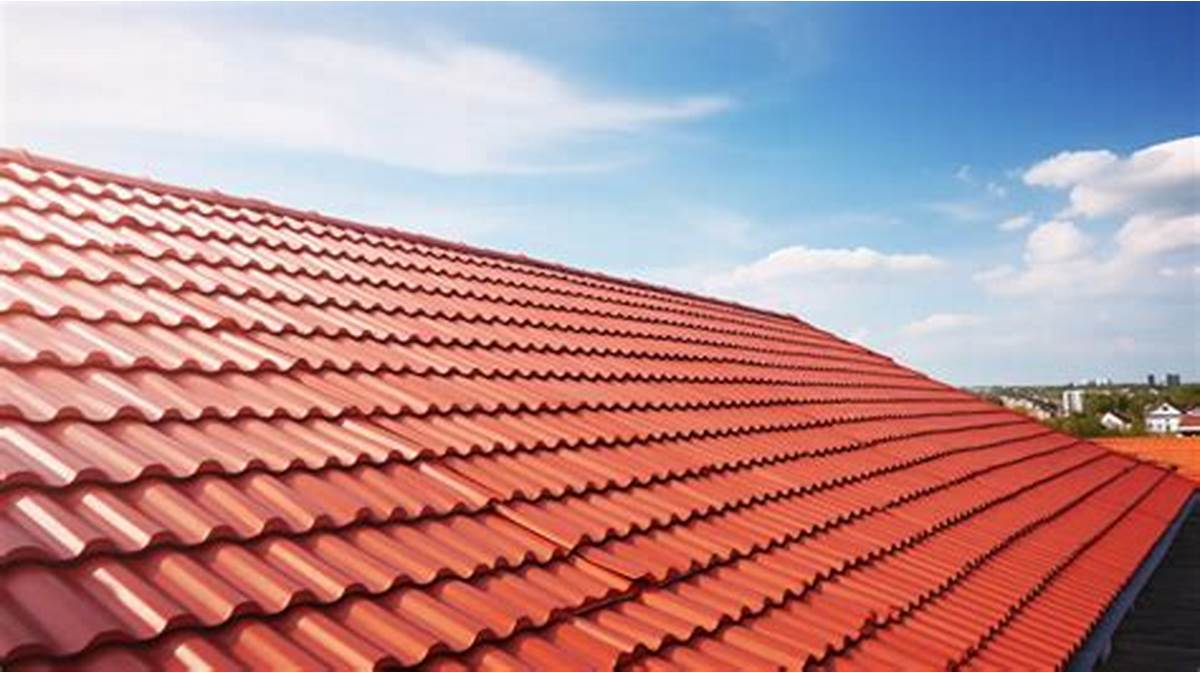
The usable area and shape of your roof determines how many panels you can fit. Orientation matters too — south-facing roofs generally capture the most sunlight through the day in the Northern Hemisphere. Check for shading from trees, chimneys, or vents, since even partial shade on one panel can drag down output across the whole array.
Solar Panel Efficiency
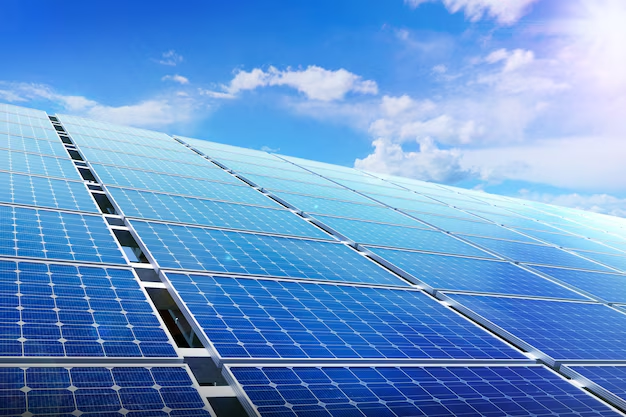
Not all panels perform the same. Monocrystalline panels generate more power per square foot, which matters most if your roof space is limited. They cost more upfront, but the extra output can pay that difference back over the system's lifetime — so it's worth comparing efficiency ratings, not just sticker price, when shortlisting panels.

Incentives & Financing
Local subsidies, tax credits, and feed-in tariffs can significantly reduce the real cost of going solar. Look into financing options too — outright purchase, loans, or lease arrangements each shift the math differently. Understanding what's available in your area before you sign anything can change which system size actually makes financial sense.
Maintenance Requirements
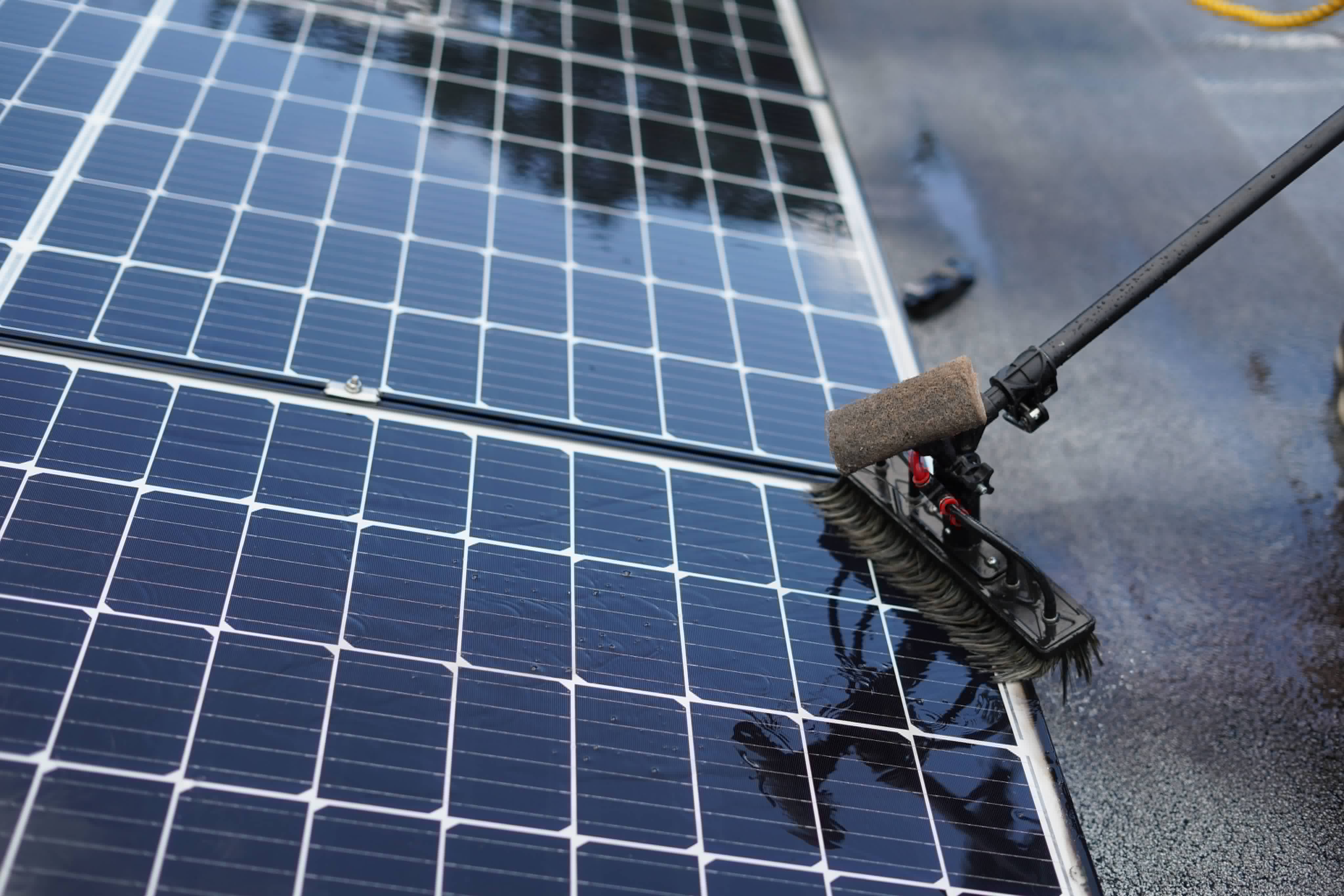
Solar systems are largely low-maintenance, but not maintenance-free. Panels need periodic cleaning to clear dust or debris, and inverters typically have a shorter lifespan than the panels themselves. Ask installers about warranty coverage for both components and what a routine inspection schedule looks like before you commit.
Battery Storage Needs
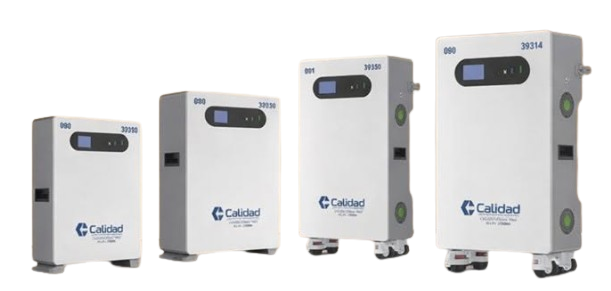
Decide early whether you need battery storage. A grid-tied system without batteries is cheaper and relies on the grid overnight, while adding storage gives you backup power during outages at a higher upfront cost. Your local grid reliability and whether outages are common for you should drive this call.

Return on Investment
Work out your expected payback period by comparing total system cost against projected monthly savings and any available incentives. Most residential systems pay for themselves within several years and continue generating savings well beyond that. Ask your installer for a realistic, site-specific estimate rather than a generic industry average.

Climate & Weather Patterns
Your local climate directly affects output — more annual sunshine generally means better returns. But panels still perform in cloudy or cooler regions, sometimes more efficiently in cooler temperatures. Factor in seasonal variation and typical weather patterns so your production estimates reflect a realistic year, not just a sunny best case.
Upfront Costs & Payback
Beyond the panels themselves, budget for inverters, mounting hardware, permits, and installation labor. Get quotes from more than one installer so you can compare like for like. A slightly higher upfront quote with better equipment and workmanship often costs less over the system's lifetime than the cheapest bid.

Environmental Impact
Solar reduces your reliance on fossil fuels and lowers your household's carbon footprint over time. It's worth also considering panel manufacturing and end-of-life recycling, since responsible disposal keeps the environmental benefit intact for the full life of the system, not just while it's generating power.