Grid-Tie vs. Hybrid
Solar Power Systems
Solar power systems cut electricity costs and reliance on fossil fuels — but the right configuration depends on your energy needs and budget. Grid-tie and hybrid are the two most common setups, each with its own trade-offs.
Grid-Tie
Hybrid
*unless paired with battery storage
Grid-Tie
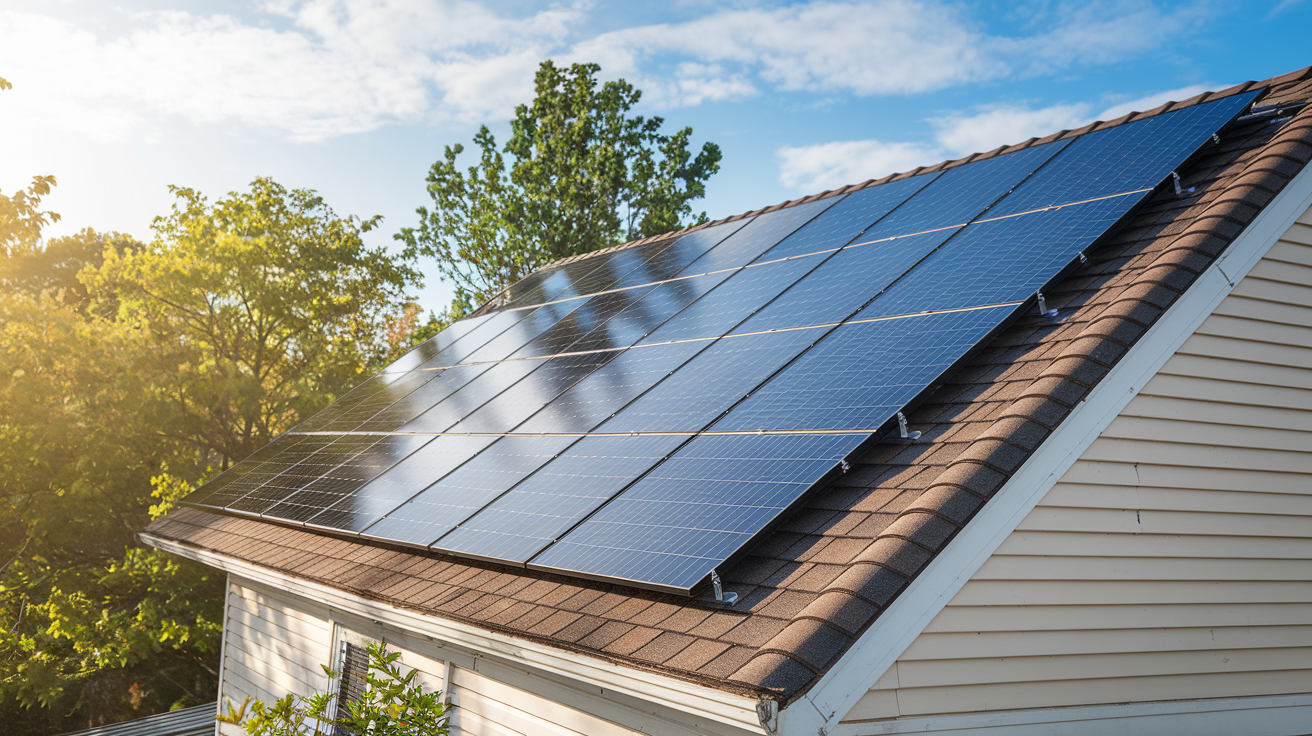
A grid-tie system connects directly to the utility grid and skips batteries entirely. Panels generate electricity that's used immediately or fed back into the grid; when solar production falls short, the system draws power from the grid instead.
Its biggest strength is cost. With no batteries to buy, installation is significantly cheaper, and net metering in many regions lets you earn credits for surplus electricity you send back — trimming your utility bill further.
The trade-off: grid-tie systems shut down during blackouts. Since they depend on the grid for stability, an outage takes the whole system offline unless it's paired with battery backup.
Hybrid
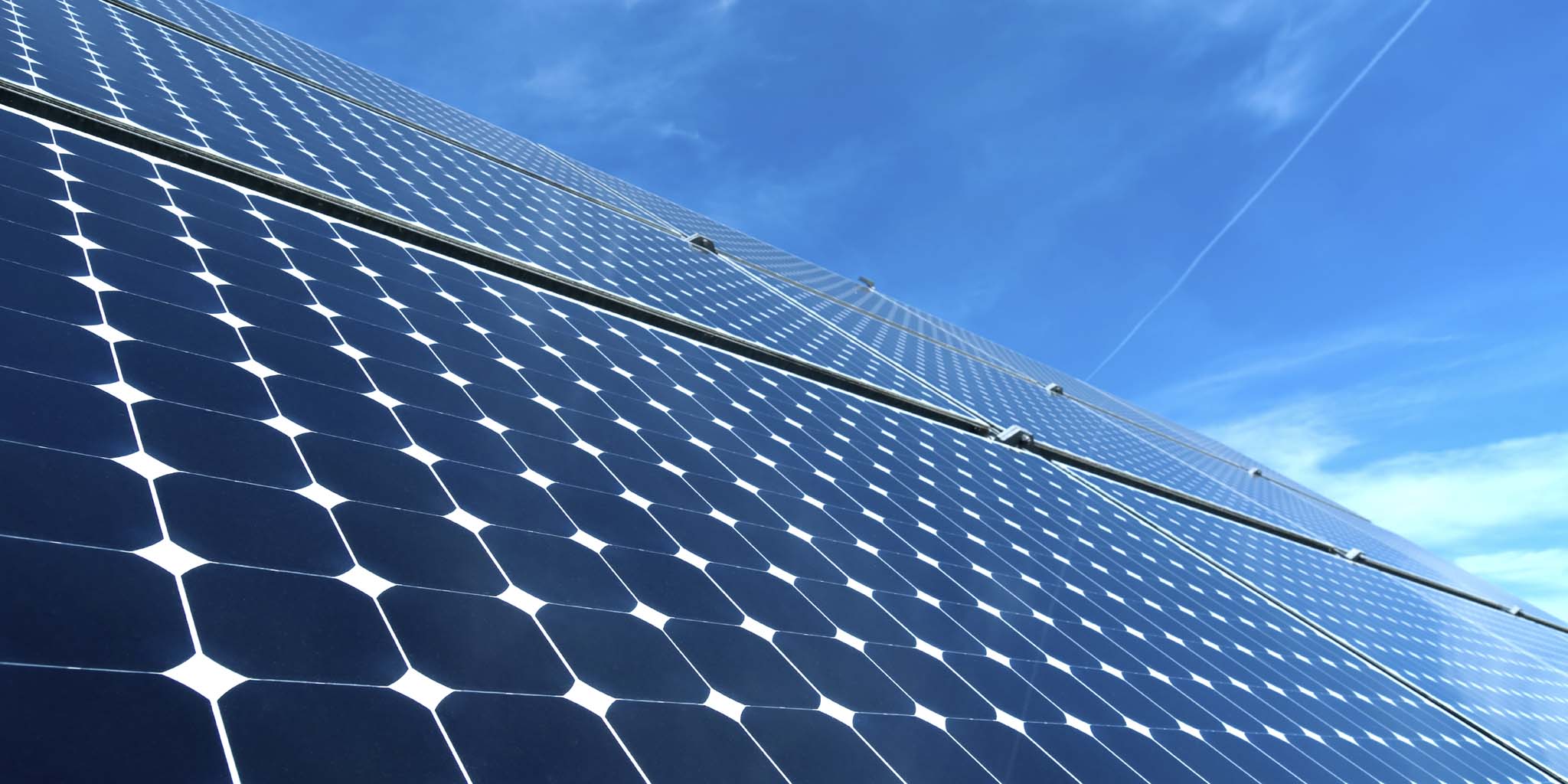
A hybrid system pairs solar panels with battery storage and a grid connection. Excess solar energy gets stored for later — at night, or during an outage — and the grid steps in when the batteries run low.
The payoff is energy independence: backup power during blackouts, less reliance on the grid, and the ability to schedule energy use — storing power when rates are low, drawing on it when rates spike.
That independence costs more upfront, thanks to batteries and a more advanced inverter. Batteries also have a limited lifespan and eventually need replacing, adding to long-term maintenance.
The right choice comes down to what you're optimizing for. Prioritizing affordability and net-metering savings points to grid-tie. Wanting backup power and less dependence on the grid points to hybrid. Either way, both systems support renewable energy adoption and move you toward a more sustainable setup.