The Role of Solar Energy Systems in Disaster Preparedness and Response
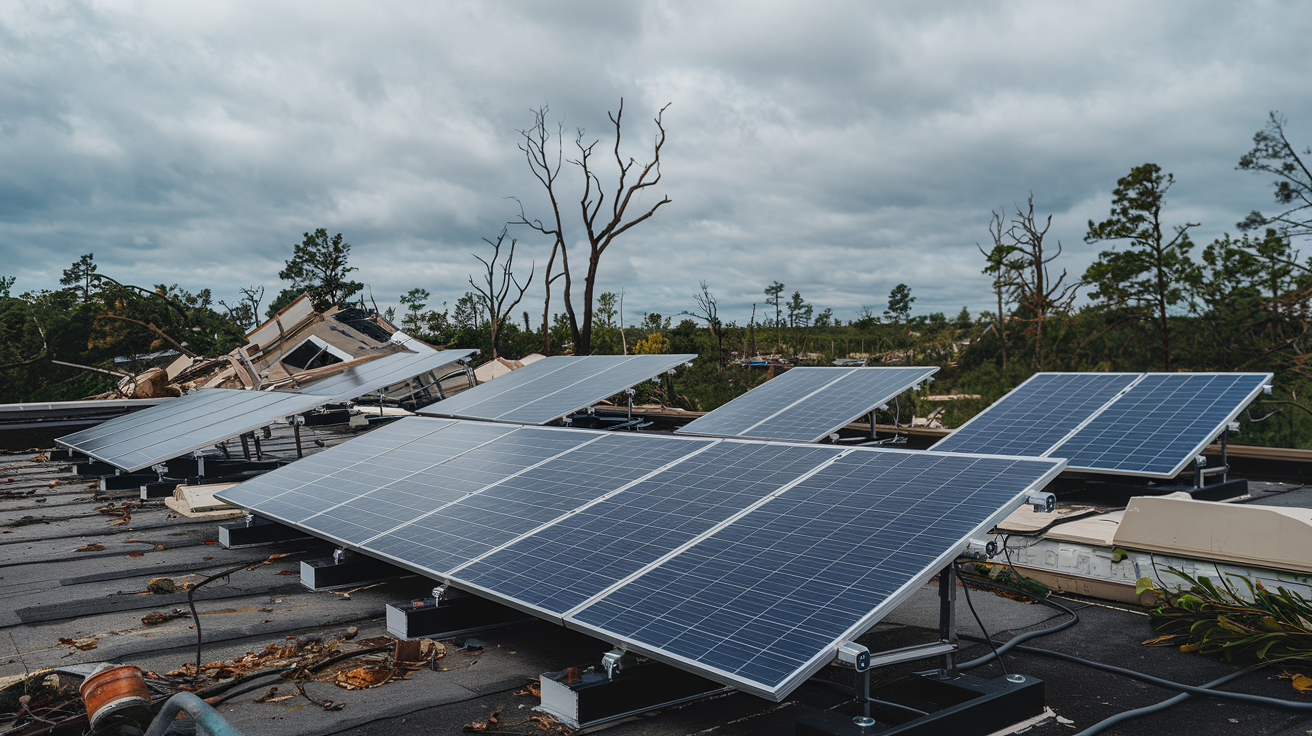
Solar energy systems have become integral to disaster preparedness and response, offering reliable and sustainable power when traditional grids are compromised. Their adaptability and rapid deployment capabilities have been demonstrated in disaster scenarios worldwide.
Case Studies: Solar Energy in Disaster Response
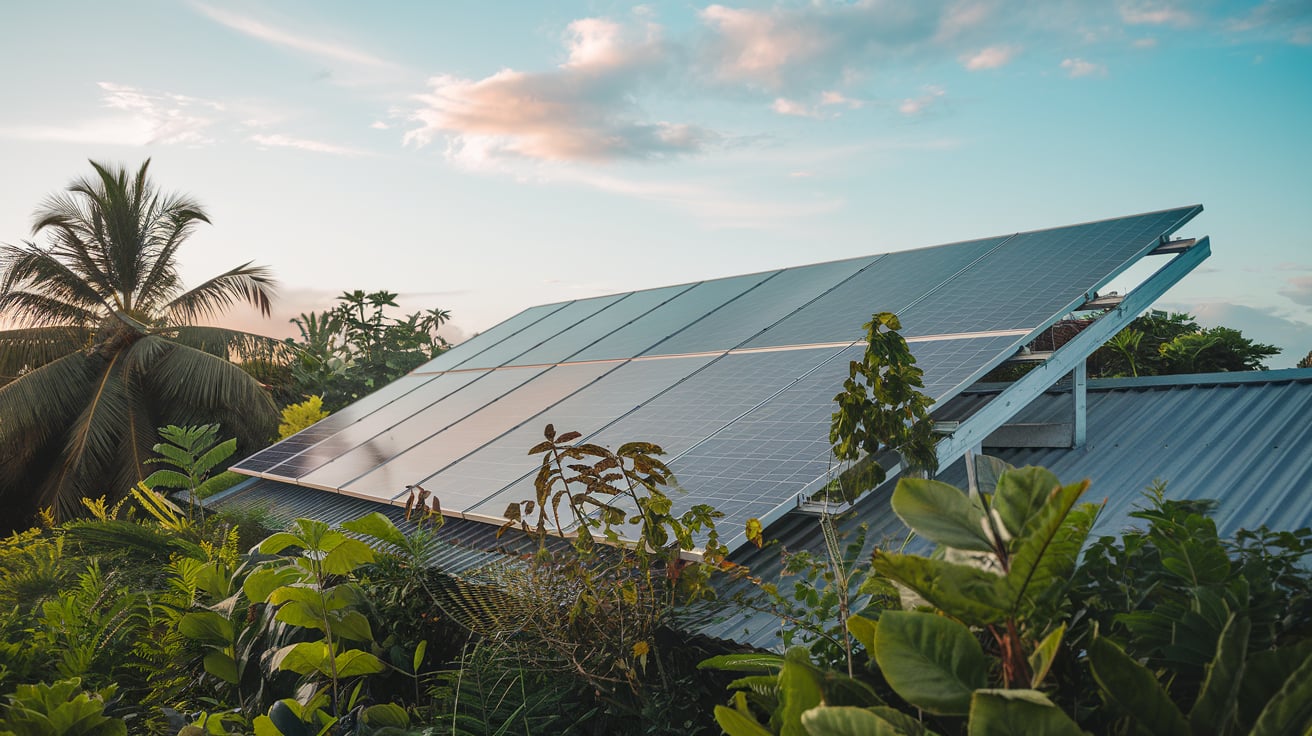
FIG. 01 — SOLAR DEPLOYMENT DURING DISASTER RESPONSE
Solar Energy in the Philippines' Disaster Preparedness
The Philippines, frequently impacted by typhoons and other natural disasters, has been integrating solar energy into its disaster resilience strategies. Solar panels with battery storage can maintain electricity for lighting, communication, and essential medicines during grid outages.
Proper installation and regular maintenance are what make this reliable in practice. Compliance with local codes, high-quality components, and routine inspections all help ensure energy stays available exactly when it's needed most.
Challenges & Considerations
Incorporating solar energy enhances response capabilities and long-term resilience. As costs continue to decrease, solar energy is set to play a vital role in global disaster management strategies.