FIG. SERIES — GRID-TIED PV / OG-101
What is
What is
On-Grid Solar?
On-grid solar — also called grid-tied solar — wires your panels directly into the main electricity grid. You generate your own power by day, draw from the grid whenever you need more, and get billed only for the difference. No batteries, no isolation — just two power sources working as one circuit.
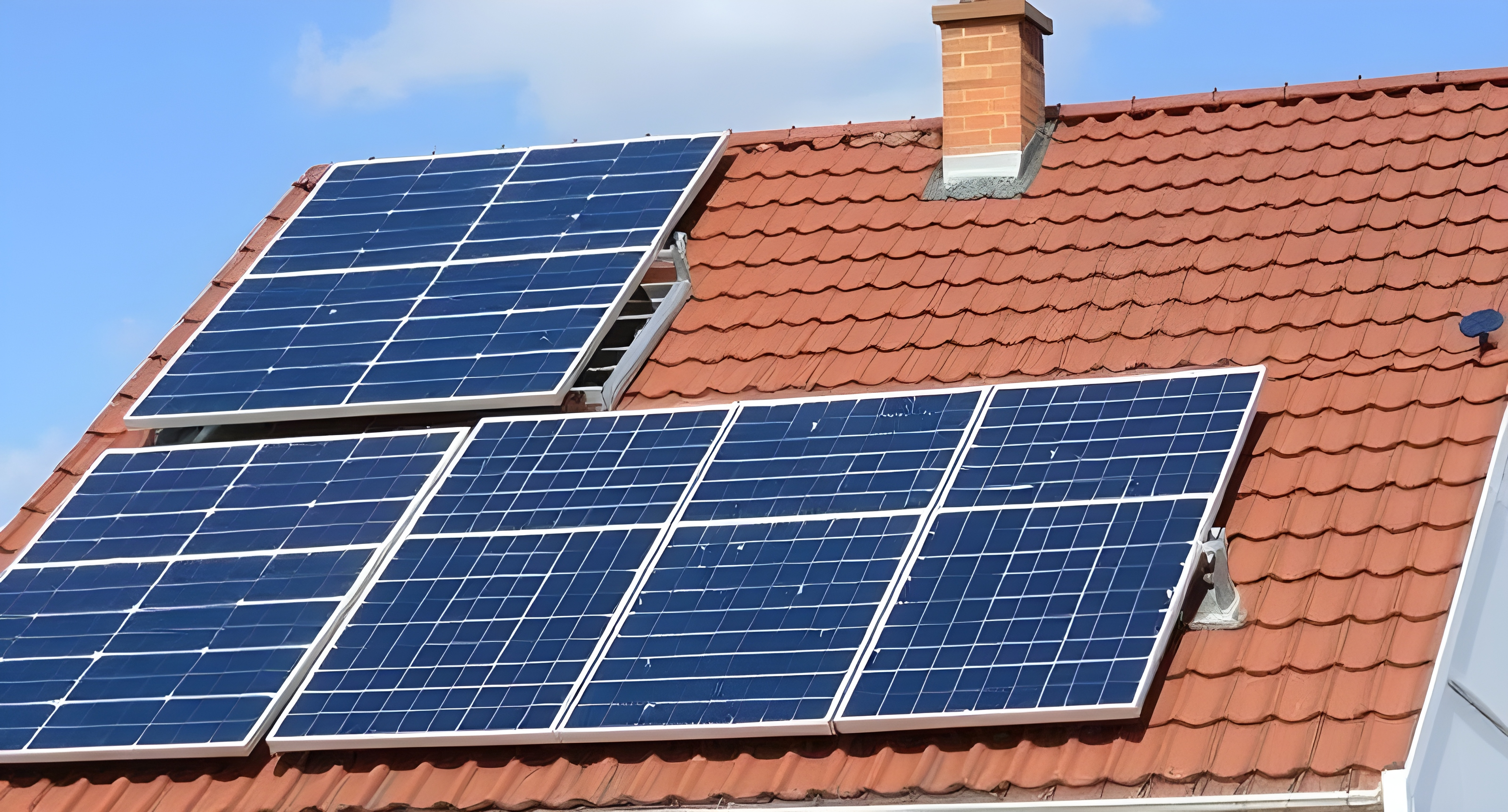
FIG. 01 — ROOFTOP GRID-TIED ARRAY
PROJECTON-GRID SOLAR SYSTEM
DWG NO.OG-101
SCALEN.T.S.
STATUSGRID CONNECTED
How On-Grid Solar Works
Trace the circuit below — this is the exact path your electricity takes, from sunlight hitting the panel to the credit that lands on your bill.
01
Sunlight
02
PV Panel · DC
03
Inverter · AC
04
Your Load
05
Grid ⇄ Meter
01
Panels Capture Sunlight
Photovoltaic cells absorb sunlight and convert it into direct current (DC) electricity.
02
Inverter Converts DC to AC
The inverter transforms DC into usable AC power for household and business appliances.
03
Power Reaches Your Home
AC electricity runs your appliances directly, with any shortfall drawn automatically from the grid.
04
Excess Sent to the Grid
Surplus energy your system produces is exported automatically to the main grid.
05
Net Metering Tracks the Exchange
Your provider records what you supply versus what you draw, crediting the surplus to your bill.
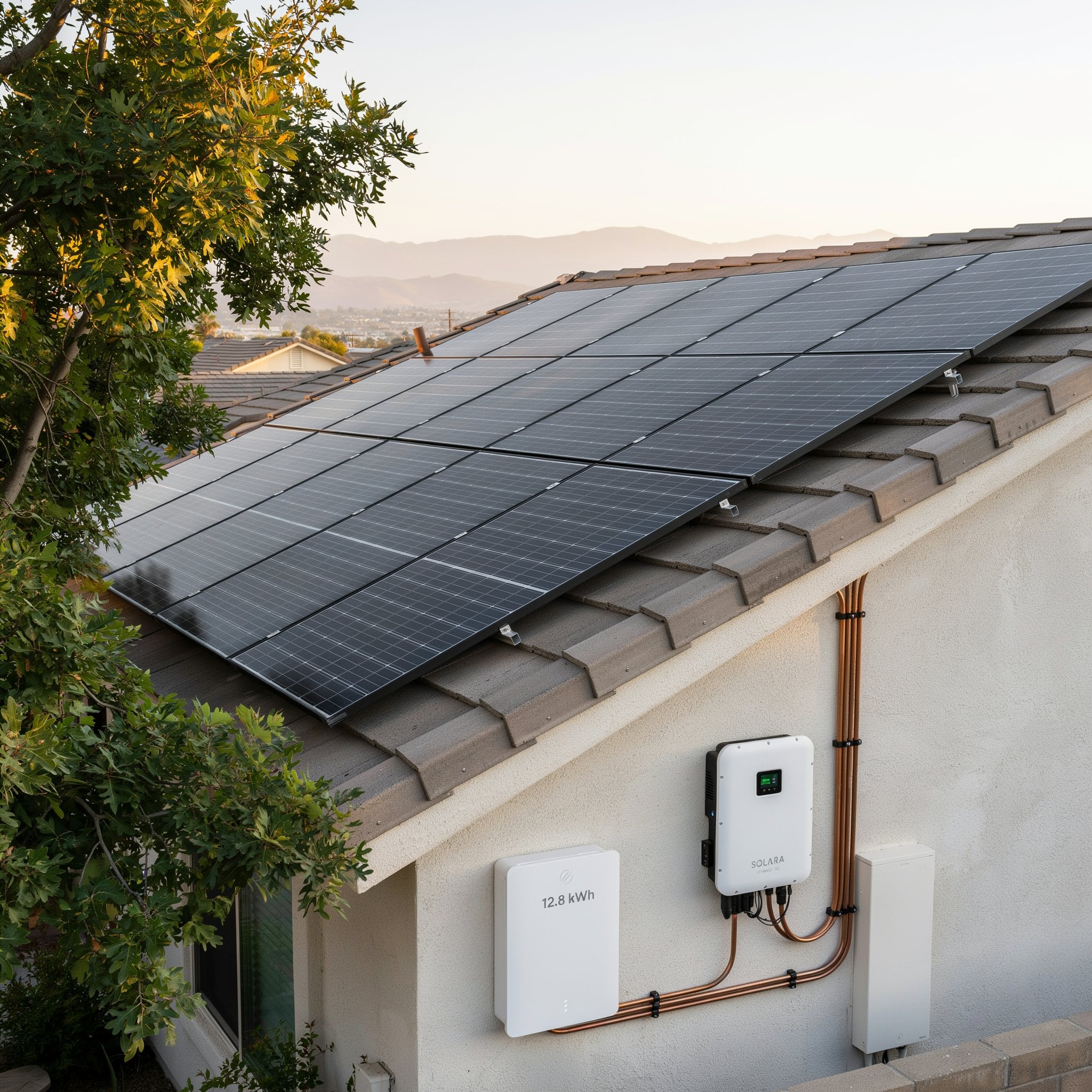
FIG. 02 — SYSTEM COMPONENTS ON SITE
Advantages & Considerations
On-grid solar trades battery independence for lower cost and grid-level reliability — here's the full read-out.
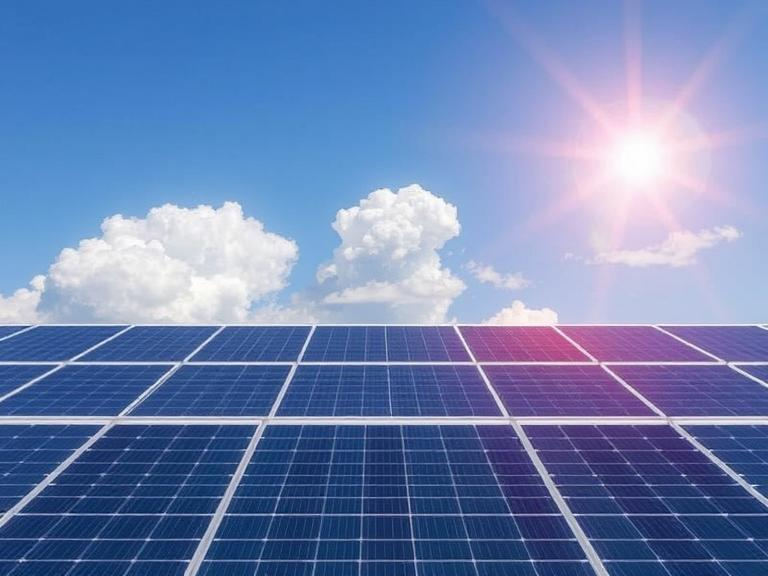
FIG. 03 — COST & RELIABILITY GAINS
ADVANTAGES
A1
Cost Saving
Cuts electricity bills by generating your own power and selling the excess back to the grid.
A2
No Battery Required
The grid does the storing, so you skip the cost and upkeep of a battery bank.
A3
Efficient & Reliable
The grid steps in as backup the moment solar production runs short.
A4
Government Incentives
Subsidies, tax breaks, and feed-in tariffs help offset the upfront cost.
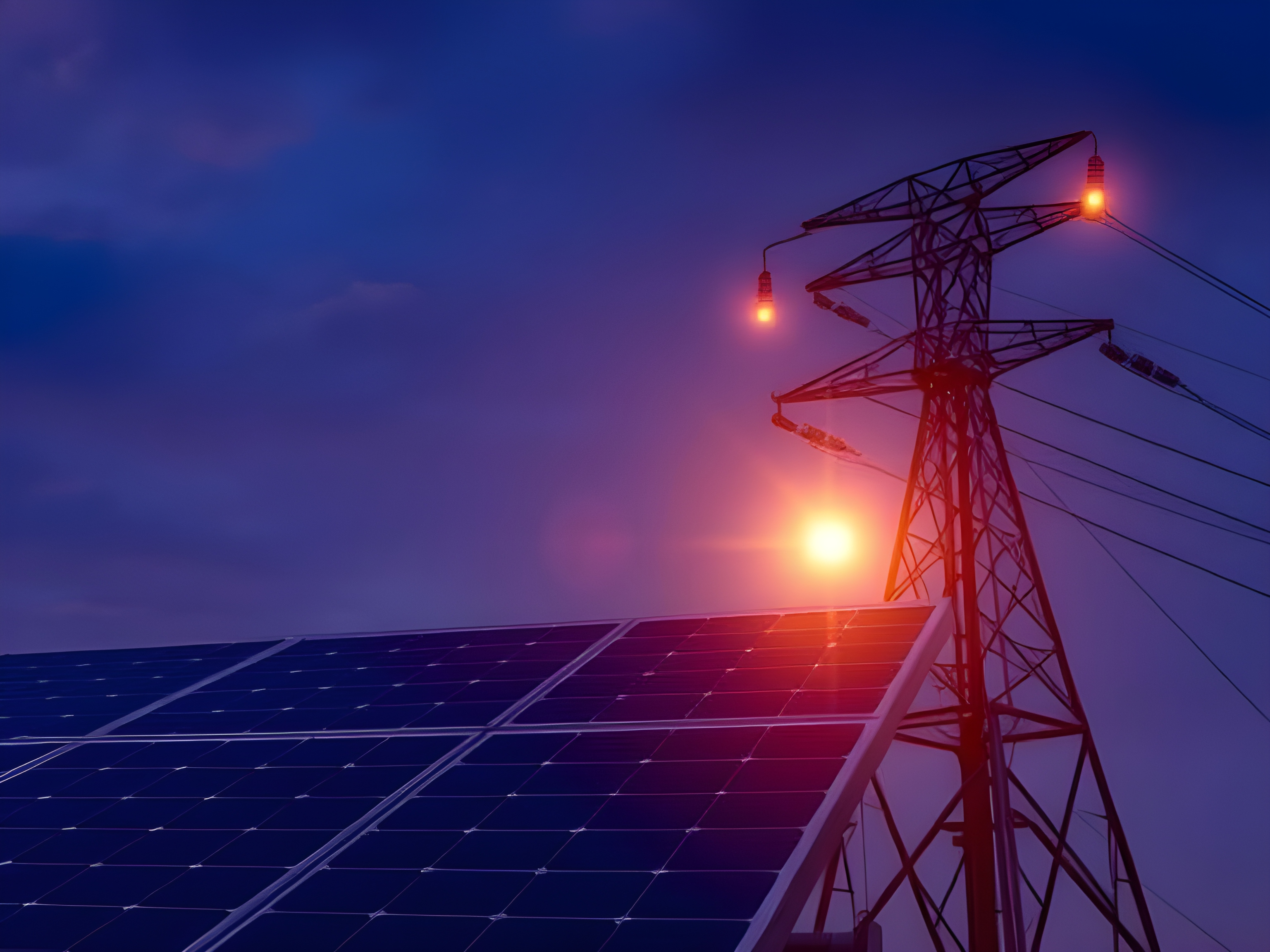
FIG. 04 — GRID-DEPENDENCY LIMITS
CONSIDERATIONS
C1
No Power During Outages
Grid-tied systems shut down automatically during outages, for safety — unless paired with a hybrid backup.
C2
Dependency on the Grid
If the utility grid fails, your system stops producing power without a backup solution in place.
—
Despite these limits, on-grid solar remains the most cost-effective, low-maintenance choice for sites with a stable local grid.