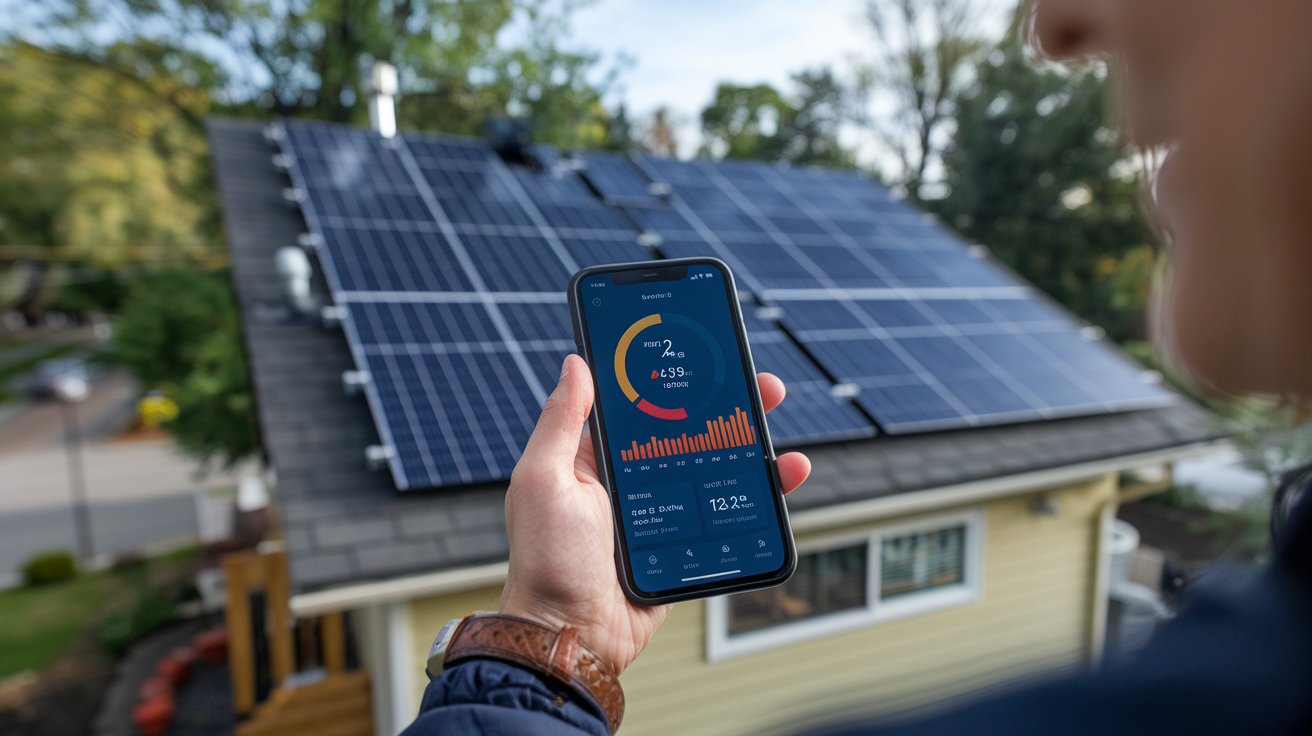
FIG. 01 — SOLAR AS A FINANCIAL INVESTMENT
Understanding Solar Financial Benefits
Switching to solar energy offers significant financial benefits, making it a smart investment for homeowners and businesses. Although the initial installation cost may seem high, solar panels deliver long-term savings and incentives that make the transition highly cost-effective — across four main areas worth understanding before you commit.
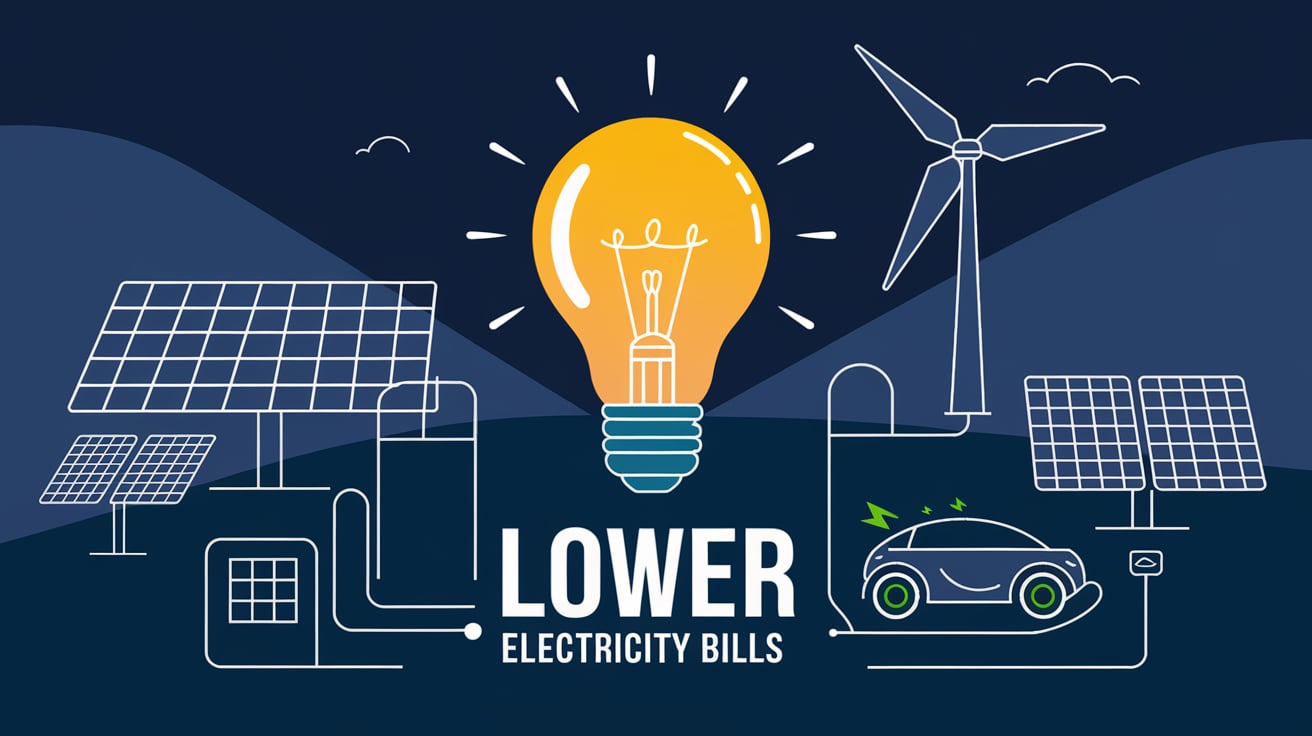
FIG. 02 — REDUCED MONTHLY ELECTRICITY COSTS
Lower Electricity Bills
By generating your own power, you can reduce or even eliminate your monthly energy costs. Many households see savings of 50%–100% on their electricity bills, and net metering lets you sell any excess energy back to the grid, cutting expenses even further.
Government Incentives & Tax Credits
To encourage renewable energy adoption, many governments and utility companies offer financial incentives that make solar meaningfully more affordable. The solar tax credit lets homeowners deduct a percentage of installation costs from their taxes, while rebates and grants further lower upfront expenses.

FIG. 03 — TAX CREDITS & REBATE PROGRAMS
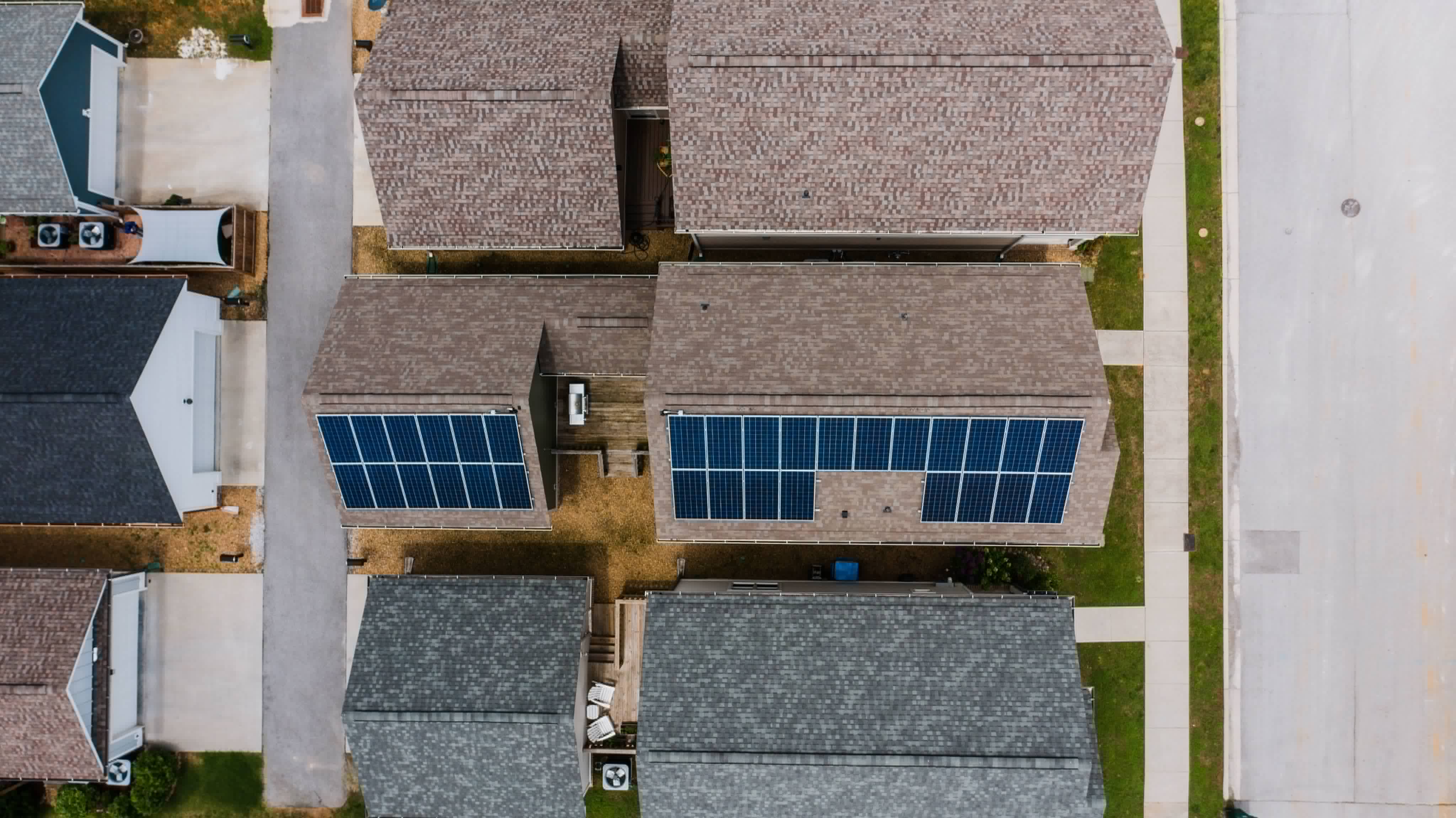
FIG. 04 — HIGHER RESALE APPEAL
Increased Property Value
Beyond monthly savings, solar panels make homes more attractive to buyers. A system that's already generating power — and already paid for — is a tangible selling point that sets a property apart in a competitive market.
Long-Term ROI & Low Maintenance
With minimal maintenance costs and a lifespan of 25+ years, solar energy delivers a strong return on investment and long-term financial stability — making it a genuinely sustainable way to save, not just a short-term discount.

FIG. 05 — DECADES OF COMPOUNDING SAVINGS